

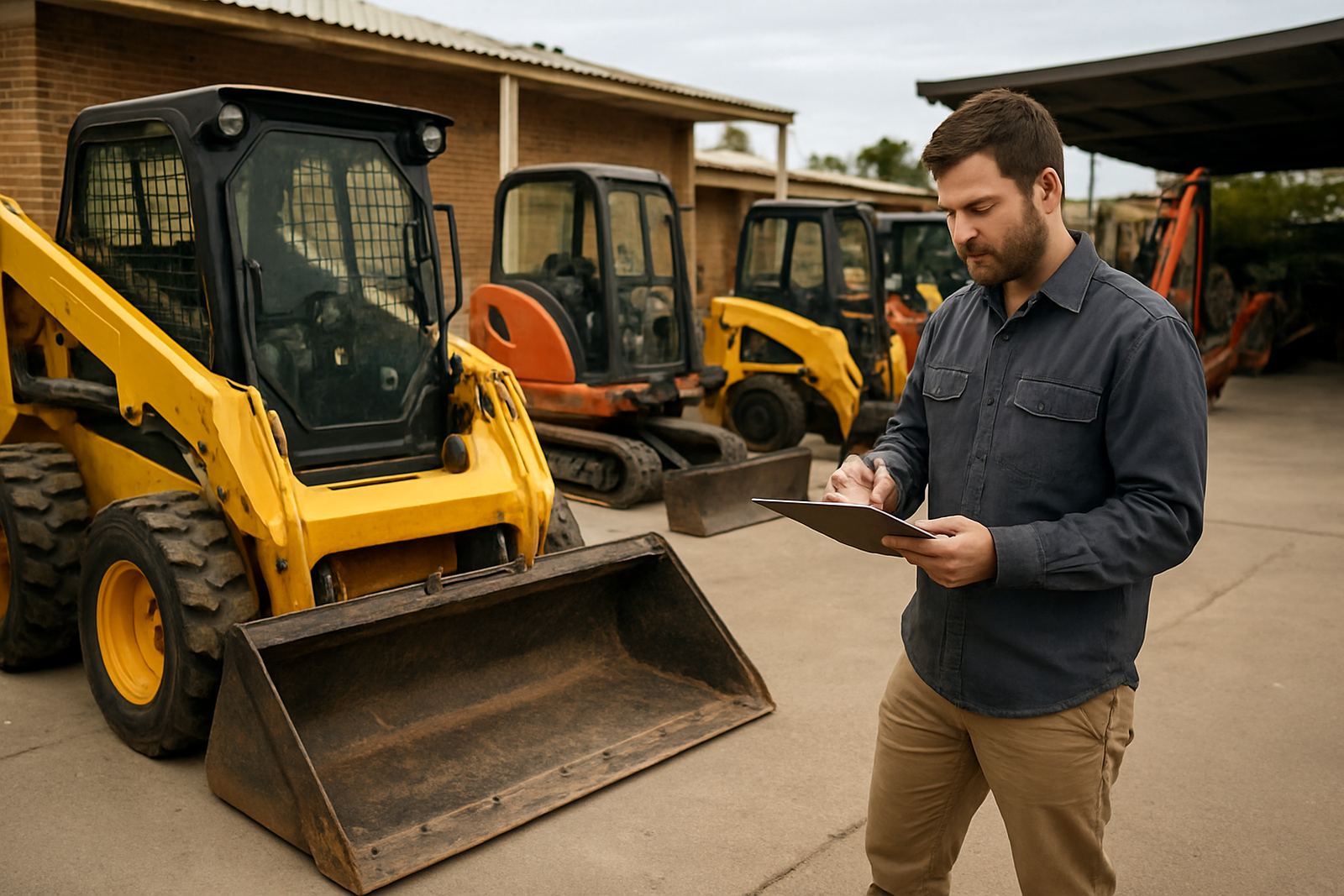


What rental operators need to keep in view
An equipment rental business lives or dies on availability. One generator goes out on Monday, a breaker comes back late on Wednesday, and a trailer needs a service before the next hire. If stock records, contracts and invoices sit in different places, it becomes hard to know what is out, what is due back and what can be hired again. That is where ERP and systems integration make a real difference.
Bizmatics works with SMEs that rent out tools, site equipment, pumps, catering items, event gear and industrial kit across Centurion, Johannesburg, Pretoria, Durban, Cape Town and Gqeberha. The aim is simple: one system that shows live item status, hire dates, deposits, damage notes and billing, so your team spends less time phoning around and more time turning stock. It also helps when load-shedding affects dispatch times or when coastal humidity means certain items need extra inspection before the next hire.
Typical equipment sets and how they should be grouped
Most rental businesses do not hire one type of item only. A small operator may handle power tools, ladders, compactors, generators and site lighting. A larger firm may also manage scaffolding, compressors, toilets, fencing, pumps and temporary power equipment. The system setup should reflect how the stock is actually used on the ground, not just how it looks on paper.
We usually advise grouping items by hire behaviour. Fast-moving consumables need different rules from serialised assets, and service-heavy items need maintenance tracking from day one. If you rent out trailer-mounted machines, each unit should have a clear asset number, service interval and location history. If you rent event stock, you may need bundle rules for table and chair sets, linen, trestles or gas bottles.
- Serialised assets: generators, compressors, pumps, compactors and trailers
- Grouped items: chair sets, tool kits, fencing panels and lighting kits
- Consumable items: gas, blades, cables, filters and small fittings
- Service items: items with hourly, daily or weekly maintenance checks
Layout and planning advice before the system goes live
Before any rollout, the warehouse or yard layout should be mapped properly. A good hire counter process starts with intake, cleaning, inspection, staging and dispatch, then returns, checking and repair isolation. If you have a single yard in Centurion or a mixed depot setup across Johannesburg and Pretoria, the physical flow matters just as much as the software fields.
We often recommend separate zones for ready-to-hire stock, items in repair, items awaiting cleaning and items waiting for collection. This is especially useful when space is tight or when deliveries are done in a rush before 07:00. Clear bay numbering, barcodes or item labels, and a simple dispatch checklist can stop a lot of errors. A proper process map also helps with staff handover, since rental teams often work across shifts and weekends.
For businesses with more than one branch, it is worth deciding early whether stock can be transferred freely or only with approval. That rule affects how availability is shown, how inter-branch transport is charged, and which branch gets the revenue. Without that planning, the system can look accurate while the real stock situation is not.
The most common mistakes rental businesses make
One of the biggest mistakes is treating every item the same. A gas bottle, a concrete mixer and a scaffold panel do not behave the same way, so the billing rules should not be identical. Another common problem is leaving deposits and damage charges to manual follow-up. That usually creates disputes, missed income and a lot of back and forth with customers.
Another issue is weak data migration. Old spreadsheets may show item codes, but not condition, service dates or exact quantities. If the records are dirty, staff end up double-hiring the same asset or marking an item available when it is still out on site. We also see companies underestimating user training. A system can be solid, but if the dispatch team does not understand the workflow, mistakes creep in quickly, specially during busy month-end periods.
Finally, many rental firms do not review their reports often enough. Utilisation by item, overdue returns, branch activity and repair downtime should be checked regularly. Those reports show where stock is underused, where pricing needs attention, and which items are costing more than they earn.
Budget ranges for South African rental operators
ERP projects for rental businesses vary depending on the number of branches, item counts, users and the amount of integration needed. A small operation with limited stock and one site may need a tighter scope, while a multi-branch group with deliveries, repairs and finance integration will need more work. As a practical guide, many South African SMEs can expect project budgets from about R120 000 to R650 000, with larger rollouts moving above that when there are complex rules or several depots.
Ongoing support retainers, upgrade planning and report changes should also be budgeted for. It is better to plan for steady support than to wait until invoices are wrong or availability reports stop matching the yard. If your business works with municipal projects, site rules, or contractor paperwork, that can add to the setup because approvals and document handling need to be built in from the start.
Bizmatics helps owners and managers weigh up what should be automated first. For some businesses, the first win is better hire control. For others it is dispatch paperwork, service scheduling or branch-to-branch visibility. The right order depends on where the losses are happening now, not on what sounds impressive in a demo.
How Bizmatics supports equipment rental teams
Bizmatics is based in Centurion and works with businesses across South Africa, including Centurion, Johannesburg, Pretoria, Durban, Cape Town, Gqeberha, the East Rand and the West Rand. The focus is on practical ERP implementation, process mapping and integration that suits the way rental teams actually operate.
Our team includes Oupa Mabuza, Zulfa Rhoda, Gerhard Pienaar, Mpolokeng Tshabangu, Muneeb Ismail and Thembisa Mabandla. That mix matters because rental systems need more than software setup. They need clean data migration, clear workflows, reliable reporting and staff who know how to use the system on a busy morning when the queue is already long and a delivery truck is waiting outside.
Whether you rent out 50 items or 5 000, the goal is the same: control item availability, hire periods, returns and billing in one integrated system. Once the process is clear, the business can grow without losing track of the stock that pays the bills.