

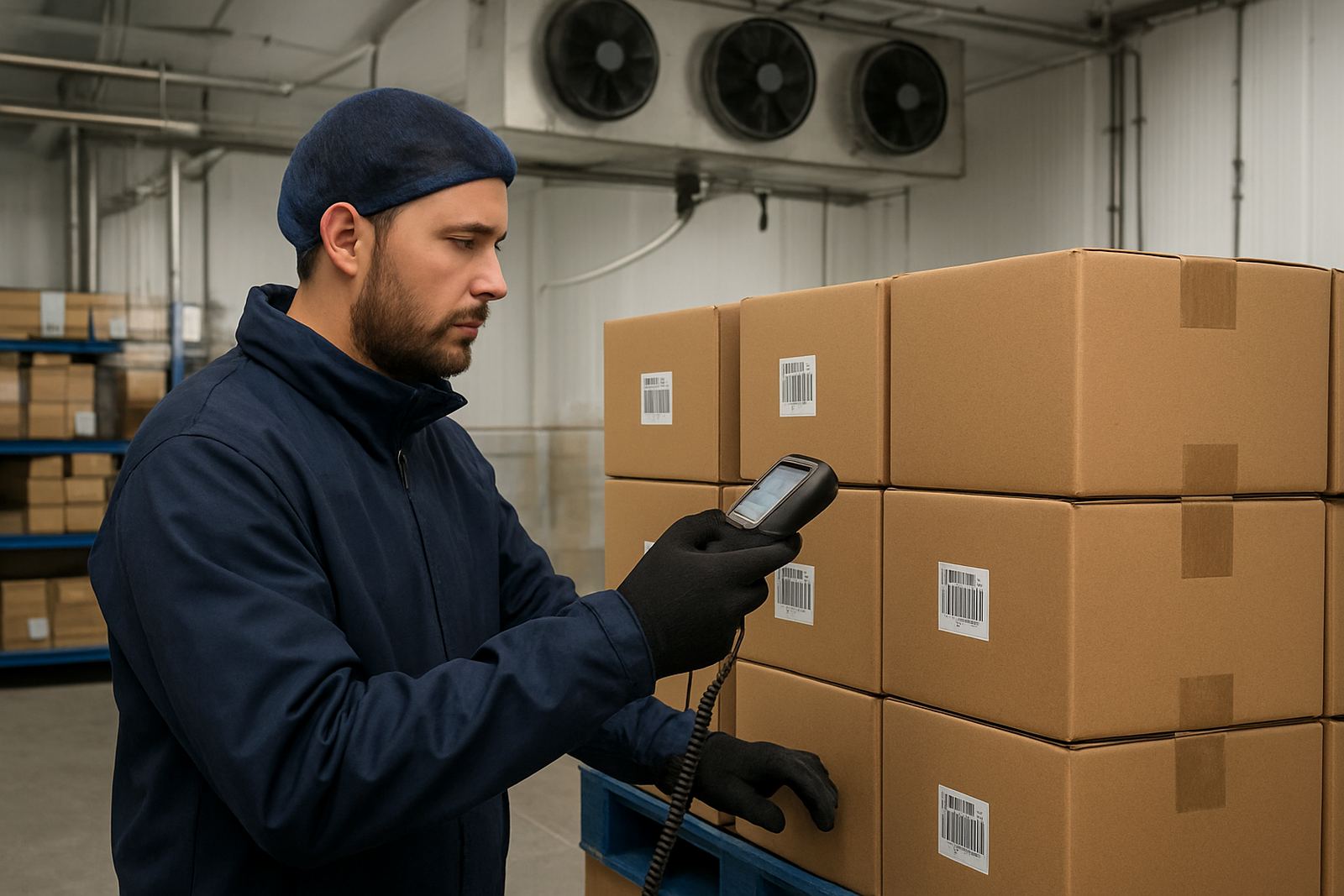


When batch traceability stops being optional
Batch traceability becomes essential the moment a business needs to prove where stock came from, who handled it, and which customers received it. That can apply to food processing, pharmaceuticals, cosmetics, automotive parts, packaging, chemicals and even manufactured goods with warranty claims. If one batch is faulty, you must be able to isolate it fast and stop the same issue spreading through the rest of your stock.
Without lot tracking, teams often rely on paper notes, spreadsheets or memory. That works until volumes grow, staff change, or there is a complaint weeks after dispatch. Then it becomes difficult to link production, storage and delivery records. In practice, the business pays for the delay twice, once in time and again in customer trust.
- Trace raw materials from receipt to finished goods
- Identify affected stock before it leaves the warehouse
- Support recall notices with accurate records
- Answer customer queries without long manual searches
What South African buyers expect when quality matters
Local customers and distributors are asking sharper questions than they did a few years ago. They want production dates, expiry dates, supplier references and proof of what was delivered. In sectors where municipal or industry rules apply, records must also stand up to inspection. That is especially important when goods move across provinces, from Centurion to Durban or from the East Rand to Cape Town, where different handling conditions can affect product condition.
For SMEs, the pressure is practical. A warehouse in Pretoria may have power interruptions during load shedding, while a site in Gqeberha may deal with coastal humidity and stock deterioration. If your records are weak, it becomes harder to know whether the issue started at receiving, during storage or at dispatch. Good batch control gives you a clear chain, not a guess.
- Production batch numbers
- Supplier and material references
- Expiry or shelf-life dates
- Dispatch records by customer and route
- Returns, rework and rejection history
How ERP systems make lot tracking practical
Batch traceability works best when it is built into daily operations instead of being treated as a separate task. An ERP system can assign batch numbers at goods receipt, link them to production orders, and carry them through picking, invoicing and returns. That means the information is captured once and reused across departments, which reduces errors and saves admin time.
For growing businesses, the real value is speed. If a customer in Johannesburg reports a problem, your support team can search by batch and see which materials were used, which operator handled the job and where the stock was sent. That makes investigations faster and decisions clearer. It also helps with stock valuation, because older stock can be identified before it quietly gets buried in the system.
A good setup does not need to be complicated. It needs clean master data, clear user roles and a process that staff will actually follow. If the screens are awkward or the workflow is too long, people will create workarounds, and traceability breaks down almost immediately.
The points where traceability usually breaks down
Most businesses do not lose traceability in one big failure. It usually happens in small gaps. A supplier batch is not captured on receipt. A manual transfer is done in the warehouse without updating the system. A repack operation changes the product code but not the lot reference. By the time there is a complaint, the trail is incomplete.
These are the common weak spots we see in SME operations:
- Manual receiving notes that are later typed in, sometimes with mistakes
- Shared user logins that make accountability unclear
- Inventory adjustments with no reason code
- Separate systems for sales, warehousing and production
- Returns handled outside the main process
- Staff turnover that leaves knowledge in one person’s head
A system audit often shows that the business does have enough information, but it is spread across files and departments. Bringing it together is usually the turning point. From there the company can tighten control without adding too much admin. It also makes training easier because everyone follows the same steps, not five different versions.
A local example from production to customer complaint
Consider a mid-sized manufacturer supplying packaged goods to retailers in Gauteng and the Western Cape. During summer, one batch starts to generate complaints about seal failure. The sales team needs clear answers because the retailer is asking whether the issue affects all stores or only selected deliveries.
With batch traceability in place, the company checks the receipt records, production order, packing line, shift details and dispatch history. It finds that only one production run used a material from a specific supplier delivery, and only certain cartons from that run were affected. The business isolates the stock, informs the customer and protects the rest of the product range. That response is not just good service, it reduces waste and avoids a much larger recall.
Without the trail, the company might have had to withdraw far more stock than necessary. In a tight margin business that can be expensive. The difference is not just software, it is disciplined data capture from the start.
What to put in place before you switch on lot tracking
Before batch traceability is fully active, the business needs to agree on naming rules, capture points and who owns each step. If the process is unclear, the system will only reflect the confusion. A structured rollout also helps staff accept the change because they can see how it fits their workday.
We usually recommend starting with the essentials and then expanding. That keeps the project manageable and avoids overcomplicating operations on day one. The key is to make sure the business can trace both forwards and backwards through stock movement. If you cannot do both, the control is only half there.
- Define batch formats and numbering rules
- Decide where batch capture is mandatory
- Align receiving, production, warehousing and dispatch
- Train users before live processing begins
- Test recall scenarios and complaint handling
- Review reporting so managers can act on the data
For many SMEs, this work also reveals opportunities to improve workflow automation and custom reporting. A simple alert for short-dated stock or a report showing affected customers can save hours each week.
Why SMEs need a partner who understands process and people
Batch traceability is not only an IT task. It is a process change that affects operations, finance, stock control and customer service. That is why implementation works better when the team understands how the business actually runs on the floor, not just how it appears on a chart. The best results come when the system is fitted to the process, and the process is tightened where needed.
Bizmatics works with small and medium businesses across Centurion, Johannesburg, Pretoria, Durban, Cape Town and Gqeberha to implement ERP and business-systems integration that supports practical control. That includes process mapping, data migration, system integration, user training, go-live support and change management. If your business needs better lot traceability, the goal is simple: clear answers, fewer errors and cleaner accountability.
When traceability is done properly, your team is not hunting for records after a problem. They already know where the stock came from, where it went and what to do next.