



What ERP Means for a Smaller Business
ERP stands for enterprise resource planning, but in plain terms it is one system that helps a business manage core work in one place. That can include sales, stock, purchasing, finance, jobs, reporting and approvals. For an SME, the value is not in fancy terminology. It is in cutting out duplicate capture, reducing mistakes and giving management a clearer view of what is happening day to day.
Many smaller businesses start with spreadsheets, standalone accounting tools and a few shared folders. That can work for a while. Then orders increase, staff multiply and the same figures get typed in three times. At that point decisions become slower and cash flow gets harder to track, especially when month end arrives and the numbers do not match. Bizmatics works with SMEs from Centurion, Johannesburg, Pretoria, Durban, Cape Town and Gqeberha to bring those moving parts together in a way that suits the business, not the other way around.
The Signs You Have Outgrown Spreadsheets
Most businesses do not wake up one morning and decide they need ERP. The need shows up in small frustrations that become normal. A quote goes out with the wrong price. Stock shows as available but is already reserved. A customer asks for an update and three people check different systems before answering. Those are not just admin issues, they affect service and profit.
Here are a few practical signs it may be time to look at ERP:
- Orders are being retyped between systems and errors keep slipping through.
- Stock counts differ between the warehouse, sales team and finance records.
- Managers wait until month end to see margins, debtors or cash position.
- Approvals happen over WhatsApp or message and are hard to trace later.
- Growing teams in different branches are using different methods for the same task.
If that sounds familiar, the issue is usually not the staff. It is the process. A proper system should support the team rather than forcing them to patch gaps every day.
Why Timing Matters More Than Size
A common mistake is waiting until the business is under pressure before changing systems. By then there may be rushed decisions, dirty data and unhappy users. It is better to plan an ERP move while the business still has space to test, train and refine the process. That way the team can move step by step instead of trying to change everything during a busy trading period.
Timing also matters in South Africa because some sectors face seasonal peaks, load-shedding disruptions and supply delays. If your stock, invoicing and service scheduling all live in separate places, even a short power interruption can set you back half a day. A well planned ERP project helps the business prepare for those realities with better controls and clearer handovers.
For SMEs, the right time is often when there is steady growth, new branches, more product lines or more reporting demands from banks, investors or directors. It does not have to be a massive company before taking systems seriously. In fact, smaller businesses often benefit faster because the team is still lean and can adapt more easily.
What a Practical ERP Project Usually Includes
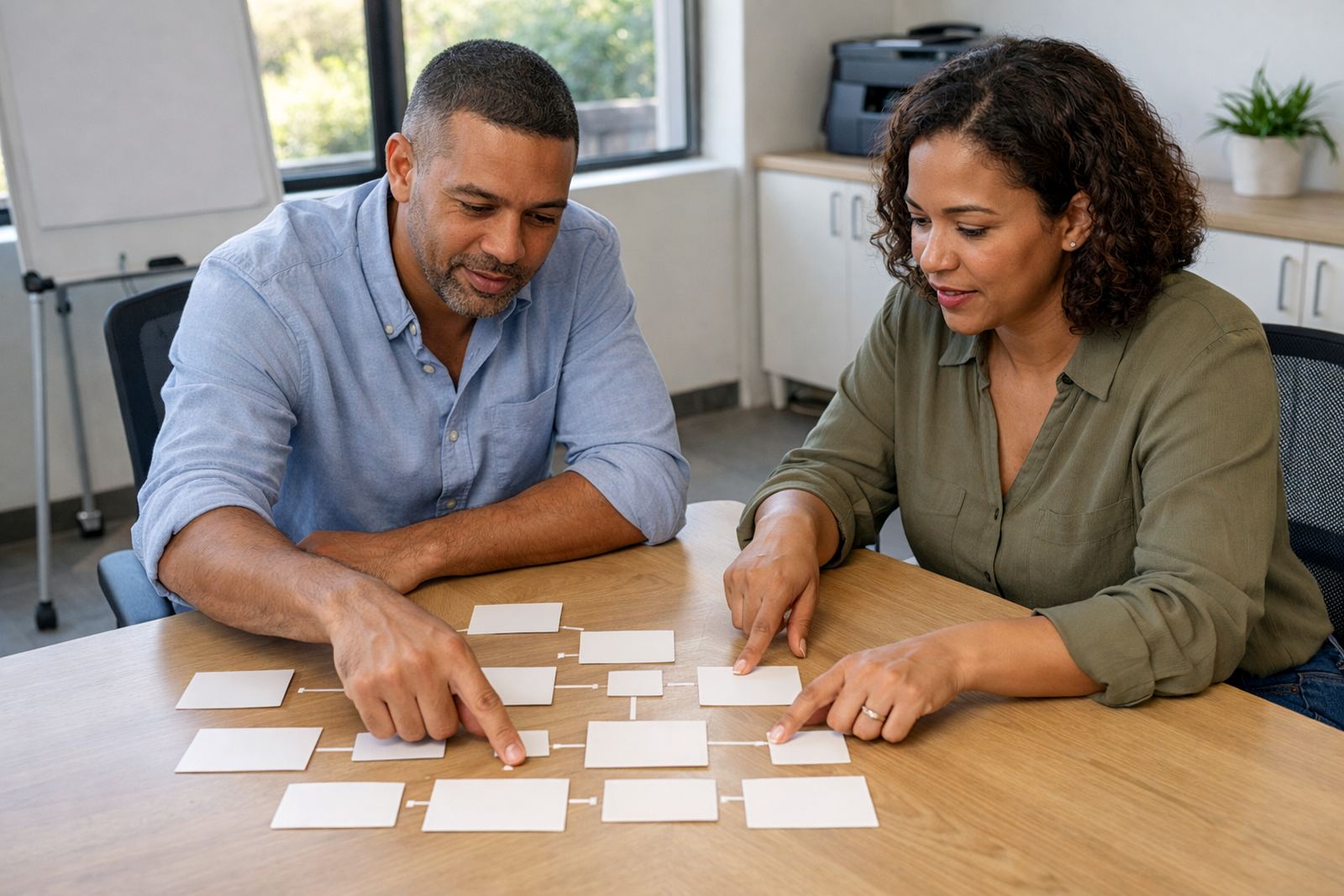
A good ERP rollout is more than software setup. It starts with understanding how the business actually works, where the bottlenecks are and what should change. Bizmatics typically approaches this through process mapping, data migration, system integration and training so the system reflects the real workflow instead of forcing a generic model onto the business.
Depending on the size and structure of the business, the project may include the following:
- Reviewing current processes and identifying gaps.
- Cleaning and migrating customer, stock and supplier data.
- Connecting accounting, sales, operations and reporting tools.
- Creating custom reports for daily and monthly decisions.
- Training users so they know what to do from day one.
- Providing go-live support and post-launch issue resolution.
It is also worth planning for change management. A system can be technically correct and still fail if people do not understand why the new process matters. That is why training, user adoption and support are part of the job, not an extra.
A Local Example From a Growing Distributor
Consider a distributor based on the East Rand with a warehouse in Johannesburg and a small sales team in Pretoria. The finance team uses one package, the warehouse keeps stock records in spreadsheets, and the sales staff work from separate quote templates. The result is constant back-and-forth, missed follow ups and stock discrepancies that only show up after delivery. On a busy week, one wrong line item can affect several orders.
In a case like this, ERP brings the numbers together. Sales can see stock before promising delivery. Purchasing can see what needs to be ordered. Finance can check debtor balances before credit is extended. Management can review one set of reports instead of debating whose version is correct. The business still needs good people and sound decisions, but it no longer runs on guesswork.
This is especially useful for SMEs serving multiple areas such as Durban, Cape Town or Gqeberha, where branches and teams may not sit in the same building. The more locations you add, the more important it becomes to have one trusted source of information.
Choosing the Right Partner for the Job
ERP should be matched to the business, not copied from another company. A good implementation partner will ask about workflows, approval rules, reporting needs, user skills and the way the business plans to grow. They should also be honest about what should change now and what can wait until later. Too much change in one go can overwhelm the team and slow adoption.
Bizmatics is based in Centurion, supporting small and medium businesses across South Africa. The team includes Oupa Mabuza, Zulfa Rhoda, Gerhard Pienaar, Mpolokeng Tshabangu, Muneeb Ismail and Thembisa Mabandla, with skills spanning ERP implementation, integration, delivery, support and training. That mix matters because an ERP project touches more than one department and needs follow through after go-live. If the system is not adopted properly, the business simply returns to old habits with new software.
For SMEs, the best ERP decision is the one that reduces friction, improves visibility and gives the team a better way to work every day, not just at month end.